The Evolution of Coffee Shops in America: How the Last Decade Changed Coffee Culture Forever
By Rick Pruitt | The Caffeinated Wanderer
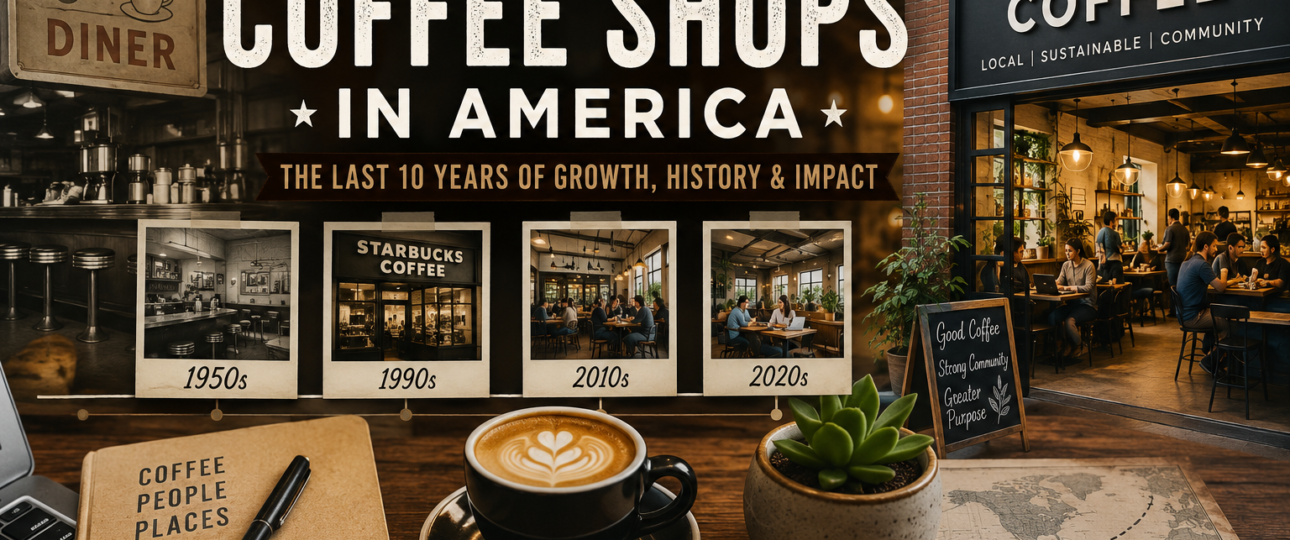
There was a time when grabbing a cup of coffee meant stopping at the local diner, ordering a simple black coffee, and maybe enjoying a slice of pie. Coffee shops were places to wake up—not places to spend the afternoon.
Fast forward to today, and coffee shops have become community gathering places, remote offices, meeting spaces, creative hubs, and destinations worth traveling to. In many cities, they’re just as much a part of the local culture as museums or historic landmarks.
As someone who spent more than 35 years in the coffee industry and now travels the world searching for unique coffee experiences, I’ve watched this transformation firsthand. In the last decade especially, America’s coffee scene has evolved at an incredible pace.
From Diners to Specialty Cafés
Coffee has been part of American life since the Boston Tea Party in 1773, when many colonists switched from tea to coffee as a patriotic statement.
For much of the twentieth century, coffee focused on convenience. National brands like Maxwell House, Folgers, and later Starbucks shaped how Americans consumed coffee.
Then something changed.
Consumers stopped asking simply:
“Is the coffee hot?”
Instead they began asking:
- Where was it grown?
- Who roasted it?
- What tasting notes does it have?
- Is it ethically sourced?
- Can I watch it being brewed?
Those questions helped launch what many call the Third Wave Coffee Movement, where coffee is appreciated much like fine wine or craft beer.
The Explosion of Independent Coffee Shops
While Starbucks continues to dominate the marketplace, one of the biggest stories over the past decade has been the remarkable growth of independent coffee shops.
Across America, entrepreneurs have opened cafés focused on:
- locally roasted coffee
- handcrafted espresso drinks
- pour-over brewing
- community events
- locally baked pastries
- comfortable gathering spaces
Many customers today actively seek out these local cafés instead of large national chains because every shop offers its own personality and story.
As I travel, these are exactly the places I love discovering.
They’re often where you’ll meet the owner, learn about local culture, and enjoy some of the best coffee in town.
Coffee Became an Experience
Ten years ago, ordering coffee usually meant:
- regular
- decaf
- cream
- sugar
Today?
Coffee menus can include:
- Single-origin coffees
- Honey-processed beans
- Natural-process Ethiopian coffees
- Nitro Cold Brew
- Cortados
- Flat Whites
- Pour Overs
- Chemex
- AeroPress
- Japanese Iced Coffee
- Espresso Flights
The experience has become just as important as the beverage itself.
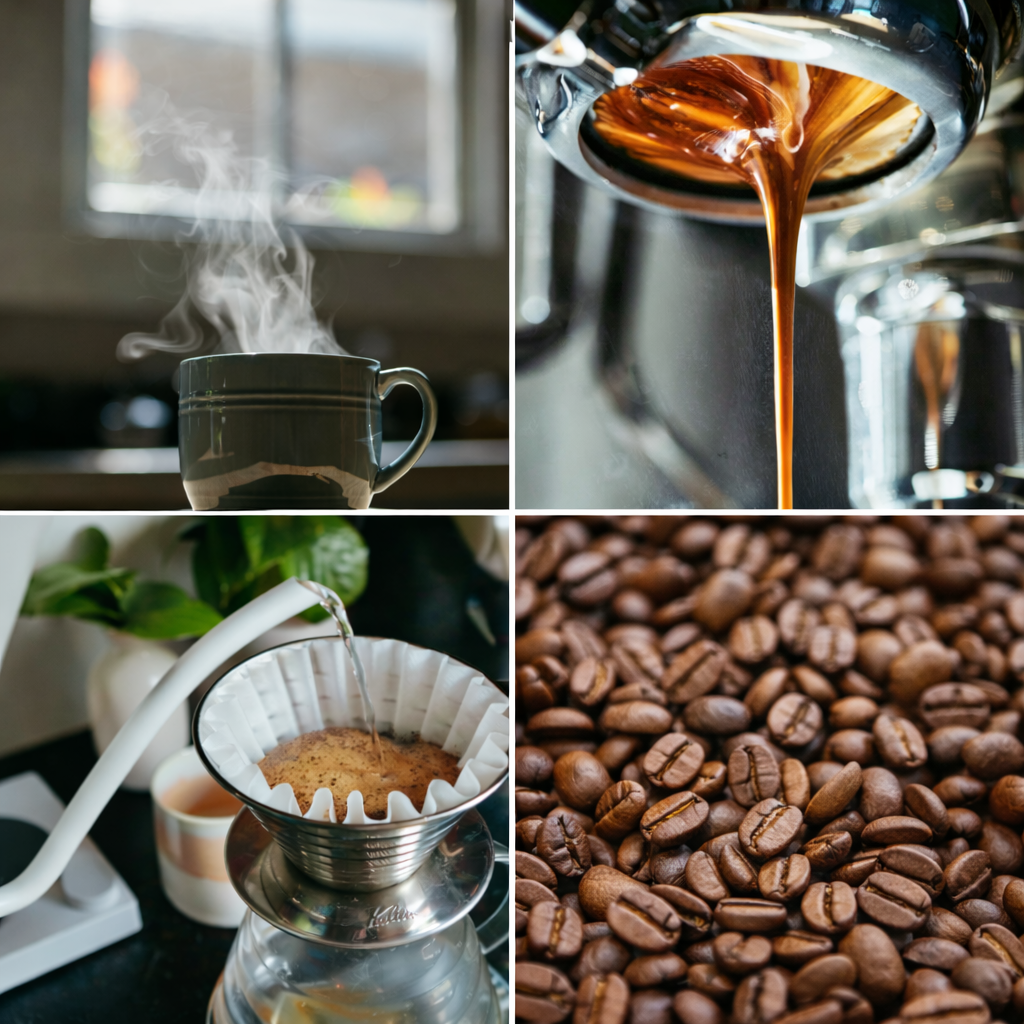
Customers enjoy watching skilled baristas carefully weigh beans, grind coffee to precise specifications, and hand-brew each cup.
Coffee has become entertainment.
Social Media Changed Everything
Instagram, Facebook, TikTok, Pinterest, and YouTube have dramatically reshaped the coffee industry.
Beautiful latte art…
Unique interiors…
Creative seasonal drinks…
Roastery tours…
These experiences encourage customers to share photos and videos, giving coffee shops free exposure to thousands—or even millions—of potential visitors.
Many cafés are now designed with photography in mind, featuring distinctive décor, colorful murals, and visually striking drinks that encourage guests to post online.
For travel creators like me, coffee shops have become some of the most engaging destinations to feature on YouTube and social media.
Remote Work Created a Coffee Shop Renaissance
Perhaps no event transformed coffee shops more than the COVID-19 pandemic.
Initially, cafés struggled with shutdowns and reduced traffic.
However, once restrictions eased, remote work dramatically changed customer behavior.
Coffee shops became:
- temporary offices
- meeting rooms
- study halls
- networking spaces
- creative work environments
Today it’s common to see customers spending hours working from laptops while enjoying multiple beverages.
Many coffee shops even redesigned their layouts with additional electrical outlets, larger tables, and faster Wi-Fi to accommodate this shift.
Consumers Want Better Coffee
Today’s coffee drinker is more educated than ever.
Many consumers now understand:
- coffee origins
- roast levels
- processing methods
- brewing techniques
- sustainability
- direct trade
According to the National Coffee Association, specialty coffee consumption in the United States has reached its highest level in 14 years. Nearly half of American adults now drink specialty coffee on a typical day, surpassing traditional coffee consumption.
Sustainability Matters
Consumers increasingly want to know:
- Was the coffee ethically sourced?
- Were farmers paid fairly?
- Is the packaging recyclable?
- Does the company support environmental initiatives?
Many specialty coffee roasters now highlight:
- Fair Trade
- Rainforest Alliance
- Direct Trade relationships
- Carbon reduction initiatives
- Sustainable farming practices
These values influence purchasing decisions just as much as flavor.
Technology Has Changed Ordering
Today’s customer can:
- order ahead on an app
- earn loyalty rewards
- receive personalized offers
- pay without cash
- collect points automatically
Meanwhile, coffee shops have embraced:
- mobile ordering
- online gift cards
- digital menus
- QR-code payments
- AI-powered inventory systems
Technology has made coffee more convenient without sacrificing quality.
Coffee Tourism Is Growing
One of my favorite developments has been the rise of coffee tourism.
People now travel specifically to:
- visit famous cafés
- tour coffee roasteries
- attend coffee festivals
- learn brewing techniques
- experience regional coffee cultures
Whether it’s Seattle, Portland, Asheville, Nashville, Atlanta, or a small town with an exceptional local roaster, coffee has become a travel destination.
That’s exactly why I created The Caffeinated Wanderer—to combine two of my greatest passions: coffee and travel.
What the Future Holds
The next decade promises even more innovation.
Expect continued growth in:
- AI-assisted ordering
- premium cold beverages
- functional coffees
- international coffee traditions
- sustainable packaging
- personalized coffee subscriptions
- immersive coffee experiences
The U.S. specialty coffee market is projected to continue growing strongly through the end of the decade as consumers seek higher-quality coffee and memorable café experiences.
Final Thoughts
Coffee shops today are far more than places to grab a caffeine fix.
They are community centers, travel destinations, creative workspaces, and gathering places where conversations begin, friendships grow, and memories are made.
Every coffee shop has a story.
Every cup reflects the passion of growers, roasters, and baristas.
And every journey offers another opportunity to discover a remarkable place—one cup at a time.
For me, that’s what The Caffeinated Wanderer is all about.
So wherever your travels take you next, skip the drive-thru, walk into a local coffee shop, introduce yourself to the barista, and enjoy a cup that tells the story of its community.
Because sometimes the best way to experience a destination is one sip at a time.
Call to Action
Have a favorite coffee shop I should visit? Leave a comment below or connect with me through The Caffeinated Wanderer. If you’re planning your next cruise, guided tour, or coffee-inspired adventure, I’d love to help you create a journey that’s brewed with care.